A hot stockroom, a parcel left in a van, or a delivery sitting in the sun for longer than expected can all create all sorts of problems for packaging.
For crafters and smaller businesses, summer packaging issues are easy to miss until something goes wrong. A box arrives softened or misshapen. Tape starts lifting at the edges. Labels peel away. Candles, cosmetics, food products or delicate handmade items arriving damaged.
The UK may not always feel like a country that needs a “summer packaging plan”, but warmer weather is becoming a more practical consideration for businesses. Even a short heatwave can affect how products are stored, packed and transported.
This guide looks at how summer heat can affect packaging materials and stored goods, and what businesses can do to reduce damage, waste and customer complaints.
Why summer heat matters for packaging
Packaging is there to protect goods from impact, movement, moisture and handling during storage or delivery. In summer, heat adds another risk.
The issue is not always the outside temperature itself. Packaging and stock can also be affected by:
Warm storage rooms or sheds
Direct sunlight through windows or skylights
Delivery vans heating up during the day
Parcels sitting in depots or on doorsteps
Poor airflow around stacked boxes
Higher humidity or condensation
For many small businesses, stock is often stored wherever space allows. That might be a spare room, garage, workshop, studio, market stall setup, storage unit or small warehouse.
Those spaces can heat up quickly, especially when boxes are stacked tightly or placed near windows, doors, metal surfaces or machinery.
How heat can affect cardboard boxes
Cardboard is strong, practical, recyclable and cost-effective. Used correctly, it works well for a huge range of products.
However, warm and damp conditions can still affect performance. Heat alone will not usually ruin a box, but when combined with humidity, poor storage or heavy stacking, it can soften the cardboard fibres and reduce the box’s ability to hold shape.
This is more likely when boxes are:
Overfilled
Stacked too high
Stored directly on warm floors
Kept in garages, sheds or storage units
Left in direct sunlight
Reused after already being weakened
For heavier, fragile or higher-value products, a stronger box may be needed during summer storage and shipping. Double wall cardboard boxes can provide better structure and crush resistance than single wall boxes, especially where parcels may be stacked or stored for longer periods.
If you send handmade ceramics, glassware, gift sets, bottled products, homeware or heavier ecommerce orders, it is worth checking whether your current box is strong enough.
How heat can affect packaging tape
Tape is one of the first things to check during warmer months.
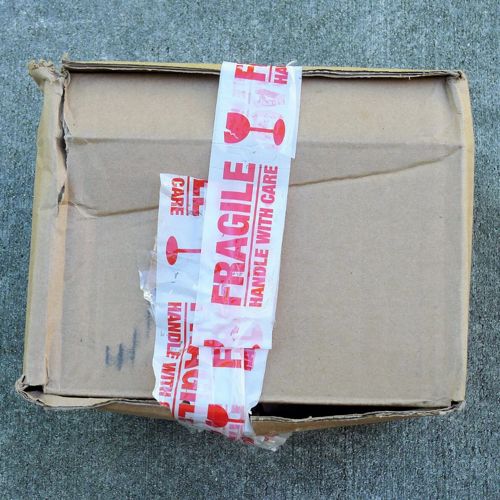
Low-quality tape can struggle when exposed to heat, especially if parcels are left in warm areas before collection or delivery. Adhesive can soften, lose grip or start lifting from the box surface. This is even more likely when the box is dusty, overfilled, slightly damp or not sealed firmly.
The result can be frustrating. A parcel that looked secure when it left your packing bench may arrive with seams lifting, corners opening or the contents less protected than expected.
To reduce this risk:
Store tape away from direct heat and sunlight
Avoid leaving tape rolls in hot vans or windowsills
Apply tape to clean, dry cardboard
Press tape down firmly along the seam
Reinforce heavier boxes with an H-seal method
Browse our high-quality range of packaging tapes.
How heat can affect labels and printed packaging
Labels can also be affected by heat, humidity and condensation.
This matters for delivery and presentation. If a shipping label starts peeling or becomes difficult to scan, it can cause delays or failed deliveries. If a branded sticker, sleeve or printed insert becomes warped, smudged or untidy, it can affect how professional the order feels when it arrives.
For makers and small businesses, the unboxing moment often matters. Customers notice when a parcel feels well packed, and they notice when it does not.
To help prevent issues:
Store labels in a cool, dry place
Avoid packing directly in sunlight
Check labels are suitable for the surface they are applied to
Let products settle before labelling if they have been stored somewhere cooler
Test branded stickers, sleeves and wraps during warm conditions
Avoid placing labels over box seams where movement is likely
If presentation is important to your brand, summer is a good time to review how your packaging looks after storage and delivery, not just how it looks when first packed.
How heat can affect protective packaging and void fill
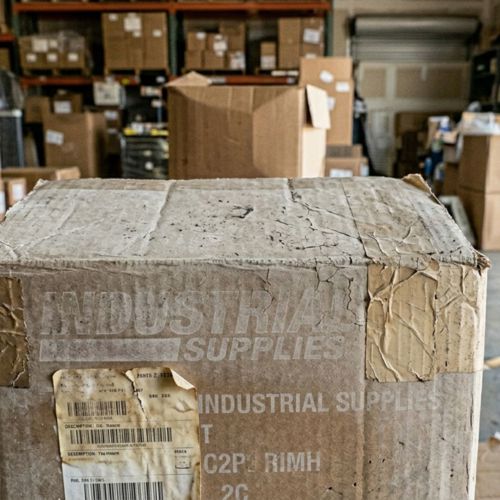
Protective packaging helps stop products moving, rubbing, cracking, denting or breaking in transit. In warm weather, the main thing to check is whether the material still supports the product properly when packed, stored and handled.
Bubble wrap can provide useful cushioning and some insulation, but it should not be treated as temperature-control packaging. Foam can offer good surface protection for fragile or higher-value items. Paper void fill can work well for stabilising products and reducing movement inside the box.
The right choice depends on what you are sending.
For example:
Candles may need space, surface protection and careful dispatch timing.
Ceramics and glassware need cushioning on all sides, not just around the top.
Prints, cards and paper goods need protection from bending, moisture and heat-related warping.
Cosmetics may need packaging that reduces movement and avoids direct heat exposure.
Food products may need specialist packaging, storage and shipping checks depending on the product type.
The key rule is simple: the product should not move inside the box.
Products that are more vulnerable in warm weather
Some goods need extra care during summer because heat can affect the product itself, not just the packaging around it.
This can include:
Candles and wax melts
Chocolate and confectionery
Skincare and cosmetics
Balms, soaps and oils
Food and drink products
Stickers, prints and paper goods
Electronics and accessories
Glues, resins, paints or craft materials
Handmade items with delicate finishes
For crafters and smaller businesses, the challenge is often consistency. One order may arrive perfectly, while another is affected by where it was stored, how long it was in transit, or whether it sat in the sun after delivery.
That is why it helps to look at the full journey, not just the parcel leaving your workspace.
Ask yourself:
Where is stock stored before packing?
Where are packed orders kept before collection?
Are parcels ever left in direct sunlight?
Could dispatch times be adjusted during hotter periods?
Do customers need clear delivery or storage instructions?
Small checks like these can prevent bigger problems later.
Storage matters before shipping
Good summer packaging starts before the order is packed.
If boxes, tape, labels and stock are stored badly, the parcel may already be compromised before it leaves your business. This is especially common when small businesses keep packaging supplies in garages, sheds, lofts or storage units.
Try to store packaging materials:
In a cool, dry area
Away from windows and direct sunlight
Off the floor where possible
Away from damp walls
In their original packaging until needed
Without heavy items stacked on top
Away from dust, strong odours or chemicals
Cardboard boxes should be kept flat and dry until use. Tape should be stored at a stable room temperature where possible. Labels, printed inserts and branded sleeves should be protected from heat, moisture and direct light.
If you sell at markets, fairs or events, it is also worth thinking about how packaging is stored in the car or van. A box of labels, tape or product packaging left in a hot vehicle all day may not perform as expected later.
Summer shipping tips for small businesses
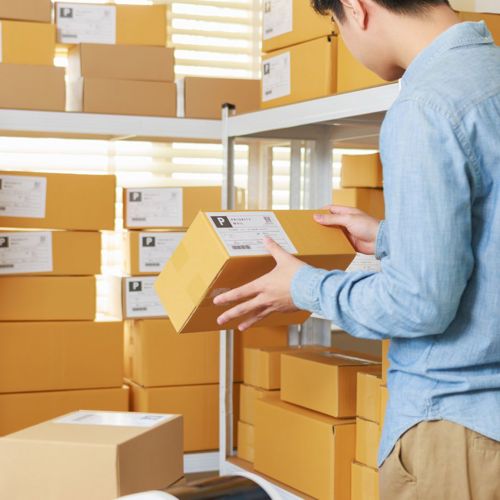
You do not always need specialist temperature-controlled packaging. For many small businesses, the best starting point is reviewing the basics.
1. Use the right size box
Oversized boxes create more internal movement and often need more void fill. A correctly sized box helps keep the product stable and can reduce waste.
2. Choose stronger boxes for heavier or fragile goods
If products are stacked, stored or shipped over longer distances, a stronger box may be worth it. Double wall boxes are especially useful for heavier, fragile or higher-value items.
3. Check your tape
If tape is lifting, splitting or not sticking properly, do not ignore it. The seal is what keeps the parcel secure.
4. Protect products from direct contact with the outer box
The outer box can become warm during storage or transit. Internal packaging helps create a buffer between the product and the outside environment.
5. Avoid packing hot products
If products have been stored somewhere warm, allow them to return to a suitable temperature before packing where appropriate.
6. Keep packed orders somewhere cool
Packed parcels should not sit in a sunny window, warm hallway, hot workshop or vehicle for longer than necessary.
7. Consider dispatch timing
For heat-sensitive products, it may be better to avoid dispatching just before weekends or bank holidays, where parcels could sit in depots for longer.
8. Add customer guidance where needed
For temperature-sensitive goods, a simple note can help customers unpack and store items correctly when they arrive.
Practical packaging advice from TEC Packaging
The best approach is practical. Look at what you sell, where it is stored, how it is packed, how long it may spend in transit, and what condition you want it to arrive in.
Whether you are sending handmade products from a small studio, packing ecommerce orders from home, preparing stock for summer markets or reviewing your fulfilment setup, our team can help you choose packaging that works in the real world.
Speak to TEC Packaging for practical advice on summer packaging, stored goods and product protection.