Protecting fragile items during transit is a challenge for many businesses. Whether you’re shipping glassware, electronics, or delicate components, the internal packaging for fragile items plays a critical role in preventing damage.
While outer boxes provide structure, it’s the internal materials and packing methods that absorb impact, prevent movement, and keep products secure.
In this guide, we explore the best internal packaging materials and methods for fragile items, helping you reduce breakages, returns, and operational disruption.
Why Internal Packaging for Fragile Items Is So Important
During transit, parcels are exposed to:
Drops and impacts
Compression from stacking
Constant vibration
Without effective internal packaging, fragile goods are at risk of moving inside the box, leading to cracks, chips, or complete breakage.
Well-designed packaging should:
Immobilise the item
Absorb external shock
Protect all surfaces, especially edges and corners
Best Internal Packaging Materials for Fragile Items
Choosing the right materials is essential. The best option depends on the product’s weight, shape, and fragility.
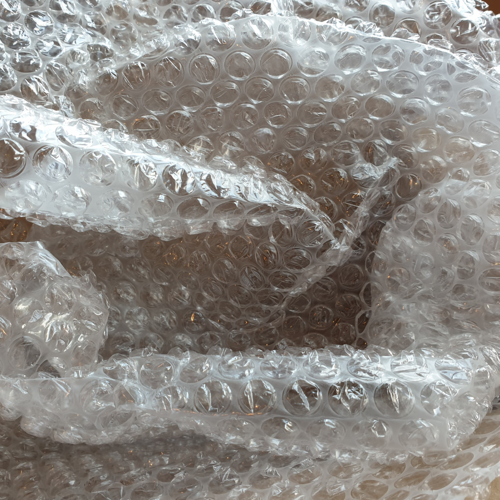
Bubble Wrap for Fragile Items
Bubble wrap is one of the most widely used packaging materials for fragile goods.
Best for:
Lightweight and irregular-shaped items
Benefits:
Provides flexible cushioning
Absorbs impact effectively
Easy to wrap around products
For optimal protection, wrap items in multiple layers and ensure full coverage.
Foam Packaging for High-Value Goods
Foam packaging offers more rigid and consistent protection than bubble wrap.
Best for:
Electronics
Precision or high-value items
Benefits:
Strong shock absorption
Maintains structure under pressure
Can be custom-fitted for a secure hold
Foam inserts are particularly effective for keeping items completely still during transit.
Void Fill Packaging Materials
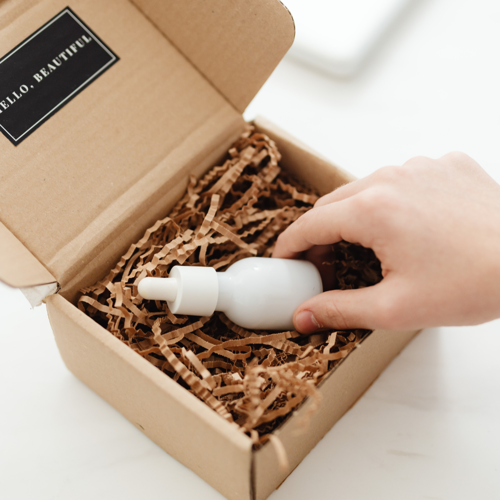
Void fill is essential for preventing movement inside the box.
Common options:
Loose fill packing chips
Kraft paper
Air cushions
Why it matters:
Empty space is one of the main causes of damage. Proper void fill ensures the item stays securely in place.
Corrugated Inserts and Dividers
Corrugated cardboard inserts are ideal for organising and separating items within a box.
Best for:
Multiple fragile items
Bottles, jars, or glassware
Benefits:
Prevents items from colliding
Adds internal strength
Cost-effective and recyclable
Paper-Based Packaging for Fragile Items
Paper-based solutions are becoming increasingly popular for businesses looking to improve sustainability.
Best for:
Medium-weight fragile products
Benefits:
Recyclable and widely accepted
Provides effective cushioning when layered correctly
Supports environmentally conscious packaging strategies
Best Methods for Packaging Fragile Items
Using the right materials is only effective when combined with the correct packing techniques.
Wrap Each Item Individually
Each fragile item should be wrapped separately to avoid direct contact and reduce impact risk.
Follow the “No Movement” Rule
Once packed, the item should not shift inside the box.
If movement occurs:
Add more void fill
Adjust internal materials
Protect All Sides
Ensure there is cushioning on every side of the item, including:
Top and bottom
Corners and edges
This creates a protective buffer between the product and the outer box.
Use the Right Box Size
A correctly sized box is essential:
Too large → increases movement
Too small → risks compression damage
The ideal box allows space for protective materials while keeping the item secure.
Double Boxing for Fragile Items
For high-risk or valuable goods, double boxing adds an extra layer of protection.
This involves:
Placing the item in a smaller inner box
Cushioning it inside a larger outer box
This method significantly reduces the impact of external forces.
Common Internal Packaging Mistakes to Avoid
Many damaged parcels result from avoidable issues:
Insufficient cushioning
Empty space inside the box
Incorrect material selection
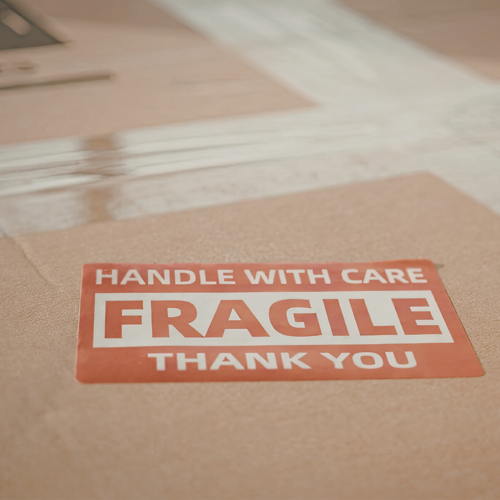
Over-reliance on “fragile” labels
It’s important to remember that labels do not guarantee careful handling. Protection must come from the packaging itself.
Improving Your Packaging Process
Reviewing your internal packaging for fragile items can lead to:
Fewer damaged goods
Reduced returns and replacements
Improved packing efficiency
Better customer experience
Small adjustments, such as switching materials or improving packing methods, can have a significant impact over time.
Effective internal packaging for fragile items is about control, consistency, and protection. By selecting the right materials and applying proven packing methods, businesses can significantly reduce the risk of damage in transit.
If your current packaging process is leading to breakages or inefficiencies, it may be time to reassess your approach and explore more reliable solutions.