Environmentally friendly packaging is becoming a more important consideration for businesses across many sectors, from ecommerce and retail to manufacturing, fulfilment and food supply.
For many companies, the challenge is not simply choosing packaging that sounds “green”. It is choosing packaging that protects products properly, supports operational efficiency, reduces unnecessary waste and meets customer expectations.
In the UK, businesses also need to be aware of their responsibilities around packaging waste. Businesses must follow environmental regulations when designing, filling or importing packaging, including using the minimum weight and volume needed to keep products safe and hygienic.
So, what does environmentally friendly packaging actually mean in practice?
What is environmentally friendly packaging?
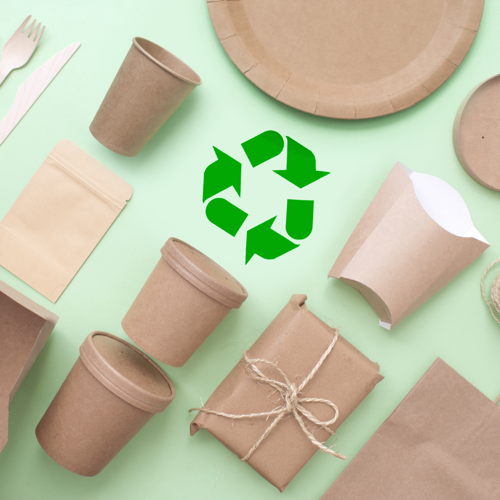
Environmentally friendly packaging generally refers to packaging that has been designed to reduce its environmental impact. This could include packaging that is:
Recyclable
Reusable
Made from recycled content
Biodegradable or compostable, where appropriate
Lightweight or reduced in volume
Designed to use less material
Easier for customers to dispose of correctly
However, sustainable packaging is not always about replacing one material with another. In many cases, the most effective improvement is choosing the right amount of packaging, reducing excess void fill, improving box sizing or using materials that are easier to recycle.
For businesses, the key question should be: does this packaging reduce waste while still doing the job properly?
Why environmentally friendly packaging matters for businesses
Packaging plays a practical role in protecting goods, reducing damage and supporting efficient dispatch. But it also affects how customers view a business.
Customers are paying attention to the boxes, mailers and wrapping their orders arrive in, and that packaging choices can shape how they see a brand. For ecommerce businesses in particular, packaging is often one of the first physical touchpoints a customer has with the company.
Environmentally friendly packaging can help businesses:
Reduce unnecessary packaging waste
Support sustainability goals
Improve customer perception
Reduce overpacking
Make recycling clearer for customers
Review packaging costs and material usage
Improve consistency across fulfilment and dispatch
It is important, though, that businesses do not compromise product protection. Packaging that fails in transit can lead to damaged goods, replacements, extra transport, additional packaging and a poor customer experience.
Sustainability must be balanced with performance
One of the biggest mistakes businesses can make is choosing packaging based only on environmental messaging.
The packaging still needs to protect the product.
Businesses should consider durability, barrier properties, compatibility with existing machinery and product safety when reviewing eco-friendly materials. This is especially important for fragile, heavy, sharp, moisture-sensitive or temperature-sensitive goods.
For example, a recyclable box may be a good option, but only if it is strong enough for the product weight and shipping method. A paper-based void fill may work well for some items, but not for every product. Compostable packaging may sound appealing, but it needs the correct disposal route to deliver the intended benefit.
The best packaging choice is usually one that balances:
Product protection
Material use
Recyclability
Cost
Storage space
Fulfilment efficiency
Customer expectations
End-of-life disposal
For products that need extra protection, it is worth reviewing the type of internal packaging being used. You can read our guide to internal packaging for fragile items for more advice on choosing suitable protective materials.
Common environmentally friendly packaging options
There are several packaging materials and solutions businesses may want to consider.
Recyclable cardboard and corrugated boxes
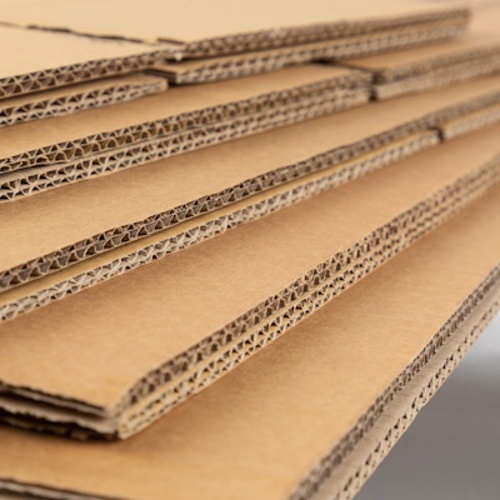
Cardboard and corrugated packaging are widely used because they are strong, lightweight and commonly recyclable. Corrugated cardboard as a strong, lightweight material made from layers of paper, and notes that it is widely used across the packaging industry.
For many businesses, reviewing box sizes, board grades and material usage is a practical first step towards more sustainable packaging.
Paper-based tapes
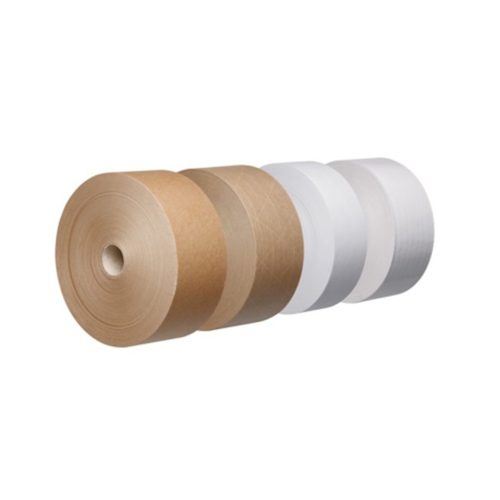
Paper tape can be a more recyclable alternative to plastic tape, especially when used with cardboard packaging. The British Business Bank identifies paper tape as a sustainable alternative to plastic tape and notes that options include kraft reinforced tape and gummed paper tape.
This can be particularly useful for businesses looking to improve the recyclability of parcel packaging.
Paper void fill and protective paper
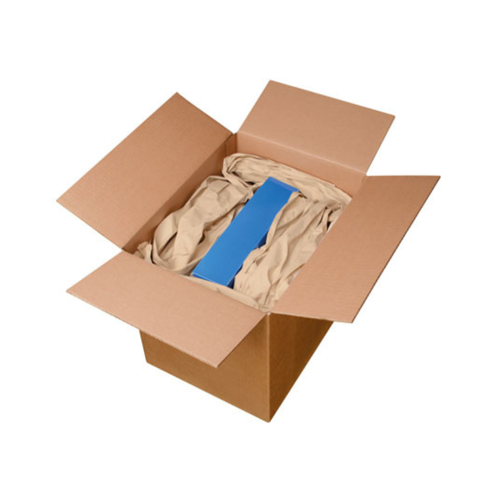
Paper-based void fill can be used to fill gaps inside boxes, wrap items or provide cushioning for certain products. It can help reduce the use of plastic-based protective materials where suitable.
However, the right choice depends on the product. Delicate, high-value or fragile goods may still need a specific type of internal protection to prevent movement and damage in transit.
Biodegradable and compostable packaging
Biodegradable or compostable packaging may be suitable in some situations, but businesses need to understand how it should be disposed of.
Packaging designed for composting must be biodegradable. However, not all compostable materials are suitable for home composting, and some require industrial composting facilities. That means businesses should be careful about how they describe these materials to customers.
Clear disposal guidance is important.
Reusable packaging
Reusable packaging can be useful where packaging can be returned, refilled or used multiple times. Reusable packaging must be designed so that it can be used several times and, once reused, must also meet requirements for recycling, energy recovery or composting.
This can work well in controlled supply chains, regular deliveries, internal logistics or business-to-business operations where packaging can be collected and reused.
Reducing packaging waste starts with better packaging design
Environmentally friendly packaging is not just about the material itself. Design matters too.
A business may be able to reduce waste by:
Using the right box size for the product
Reducing excess void fill
Switching to a stronger box to prevent damage
Improving palletisation and storage efficiency
Choosing recyclable tapes and labels where possible
Reviewing packaging used across repeat product lines
Avoiding unnecessary layers
Using bespoke packaging for regular or high-volume items
Avoiding greenwashing in packaging claims
Sustainability messaging needs to be clear, accurate and specific.
Terms like “green”, “eco-friendly” or “sustainable” can be vague if they are not backed up by details. Businesses to be specific rather than using broad claims, giving clear explanations about what the packaging is and how it should be disposed of.
For example, instead of simply saying “eco packaging”, it may be clearer to say:
Made using recycled content
Widely recyclable after use
Plastic-free paper tape
Designed to reduce excess void fill
Reusable packaging for repeat deliveries
Compostable where appropriate disposal facilities are available
This helps customers understand what the packaging does and avoids overstating the environmental benefit.
Questions businesses should ask before switching packaging
Before changing packaging materials, businesses should review the full packaging process. Useful questions include:
What does the packaging need to protect?
Consider product weight, fragility, moisture sensitivity, shelf life and transit conditions.Is the current packaging oversized or excessive?
Reducing material use can be one of the simplest improvements.Can the packaging be recycled easily?
Look at the full pack, including tape, labels, inserts and void fill.Will the new material work with existing packing processes?
A packaging change should not slow down fulfilment or create operational issues.How will customers dispose of it?
Clear disposal instructions can improve the customer experience.Is the claim accurate?
Avoid vague sustainability statements unless they can be supported.Will the change affect product damage rates?
A sustainable option must still protect goods properly.
How TEC Packaging can help
Choosing environmentally friendly packaging is not always straightforward. The right solution depends on the product, the packing process, the dispatch method and the customer’s expectations.
At TEC Packaging, we work with businesses across the South West to help them choose packaging that is practical, reliable and suitable for their operation. This includes advice on stock packaging, protective materials, box selection, void fill, tapes and bespoke packaging options where a more tailored solution is required.
Whether you are looking to reduce excess packaging, improve recyclability or review your current packing process, our team can help you explore practical options without compromising product protection.
If you are reviewing your packaging, speak to the TEC Packaging team for practical advice on suitable options for your products and processes.