Packaging plays a bigger role in business operations than many people realise. It protects products, affects delivery costs, influences customer perception and can support wider sustainability goals.
For many businesses, standard packaging is the most practical and cost-effective choice. Stock boxes, tape, bubble wrap, void fill and postal packaging are ideal for everyday dispatch. However, there are times when a more tailored approach can offer better value.
Bespoke packaging solutions are designed around your product, brand and operational needs. This could include custom-sized boxes, printed packaging, die cut inserts, branded tape or packaging designed for a specific product range.
The key question is not simply whether bespoke packaging looks better. It is whether it solves a real business problem.
What is bespoke packaging?
Bespoke packaging is packaging that has been designed or adapted for a specific product, brand or use. Unlike off-the-shelf packaging, it can be created with particular dimensions, materials, print finishes or protective features in mind.
Examples include:
Custom-sized cardboard boxes
Printed boxes with logos or brand colours
Die cut packaging for a precise product fit
Branded tape, bags or wrapping
Custom inserts for fragile or high-value items
Retail-ready or presentation packaging
Packaging designed around recyclable or lower-waste materials
Bespoke packaging can be especially useful where businesses need to improve product protection, create a stronger brand experience or make their packing process more efficient.
The main benefits of bespoke packaging
Better product protection
One of the main reasons businesses choose bespoke packaging is to protect their products more effectively.
If a product is fragile, heavy, awkwardly shaped or high-value, standard packaging may not always provide the right fit. This can lead to movement inside the box, excess void fill, damaged goods, returns and unhappy customers.
A bespoke packaging solution can help by creating a closer product fit, adding support where it is needed and reducing movement during transit.
Less waste and more efficient packing
Oversized boxes often require more void fill, more storage space and can be less efficient to ship. If your team regularly adapts standard boxes to make them work, bespoke packaging may help simplify the process.
A custom-sized box or insert can reduce unnecessary material use, speed up packing and create a more consistent dispatch process. This is particularly useful for businesses sending the same products regularly.
Stronger brand presentation
Packaging is often one of the first physical touchpoints a customer has with your business. For ecommerce, retail, subscription products and premium goods, packaging can influence how professional and trustworthy a product feels.
Bespoke packaging allows businesses to use brand colours, logos, printed messaging and custom finishes. However, it does not always need to be complex. Sometimes a simple branded touch, such as printed tape or a custom insert, can create a more polished impression without the cost of fully printed packaging.
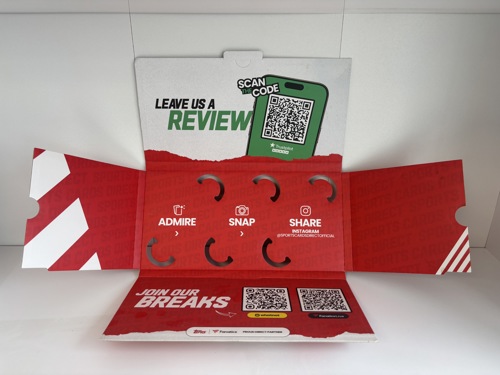
Improved customer experience
Good packaging should make the customer’s experience easier and more reassuring. It should arrive in good condition, be suitable for the product and feel appropriate for the brand.
For B2B customers, this may also mean packaging that is easy to store, stack, handle, open, reuse or dispose of. Bespoke packaging can support both the practical and presentation sides of the customer experience.
Support for sustainability goals
Sustainability is now an important part of packaging decisions. Bespoke packaging can help businesses reduce excess materials, review recyclability and choose more suitable formats.
This is particularly relevant as businesses become more aware of packaging waste, material use and packaging-related reporting responsibilities. A tailored packaging review can help identify where materials can be reduced, simplified or replaced with more appropriate alternatives.
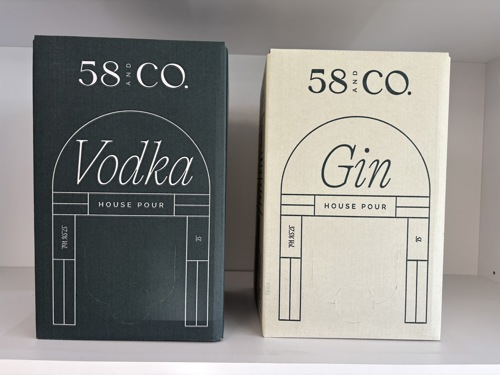
How much does bespoke packaging cost?
The cost of bespoke packaging depends on the design, materials, quantity, print requirements and complexity of the packaging.
Key cost factors include:
Design and setup: If the packaging needs a custom structure, die cut shape, insert or printed design, there may be design and setup work involved. More complex packaging may also need sampling or testing before production.
Materials: Different materials carry different costs. Standard corrugated board will usually be more cost-effective than specialist materials, premium finishes or complex protective structures.
Print and finish: Printed packaging varies in price depending on the number of colours, print method, coverage and finish. A simple one-colour print is likely to be more cost-effective than a full-colour design with premium finishes.
Quantity: Bespoke packaging often becomes more cost-effective at higher volumes because setup costs can be spread across a larger order. For lower volumes, a semi-bespoke option may be more practical.
Storage: Larger orders can reduce unit costs, but they also require storage space. This is important for smaller businesses or those with limited warehouse capacity.
When is bespoke packaging worth it?
Bespoke packaging is usually worth considering when it supports a clear commercial, operational or brand objective.
It may be the right choice if:
Your products are regularly damaged in transit
You use a lot of void fill to make standard boxes work
Your product is high-value, fragile or awkwardly shaped
You sell through ecommerce and want a stronger delivery experience
You want packaging that better reflects your brand
Your team packs the same products repeatedly
You want to reduce excess materials or review sustainability
You need retail-ready or presentation packaging
For example, an ecommerce brand may benefit from custom-sized postal boxes and branded inserts, while a manufacturer may need stronger protective packaging for repeat product lines. A retail or gift business may focus more on presentation, while a fulfilment operation may prioritise speed, consistency and storage efficiency.
When standard packaging may be better
Bespoke packaging is not always necessary. Standard packaging may be the better option if you send a wide variety of products, need packaging quickly, have low order volumes or are working with a tighter budget.
In many cases, the best solution is a combination of both. A business might use standard boxes for everyday dispatch, bespoke inserts for fragile items and branded tape or labels to improve presentation.
The right approach depends on what you are trying to achieve.
Questions to ask before investing in bespoke packaging
Before choosing bespoke packaging, it is worth asking:
What problem are we trying to solve?
Is the priority protection, presentation, efficiency, sustainability or brand impact?
How many units do we need?
How often will we use this packaging?
Do we have space to store it?
Could a simpler branded option work first?
Will it reduce damage, waste or packing time?
Do we need samples before committing?
These questions help make sure the packaging is designed around a real need, rather than appearance alone.
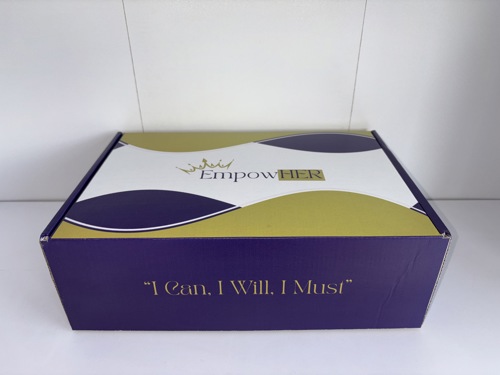
Bespoke packaging can be a valuable investment when it has a clear purpose. For some businesses, that might mean reducing product damage. For others, it could be improving customer experience, strengthening brand presentation, reducing waste or making packing more efficient.
The best packaging solution is not always the most complex one. It is the one that fits your product, supports your operation and gives your customers confidence in what they have received.
TEC Packaging works with businesses across the South West to supply both stock packaging and bespoke packaging solutions, helping customers find the right balance between cost, protection, presentation and practicality.
If you are reviewing your packaging or considering whether bespoke packaging is right for your business, speak to the TEC Packaging team for practical advice on the most suitable options.