Winter shipping packaging needs to withstand far more than standard transit conditions. Increased rainfall, damp environments and rapid temperature changes significantly raise the risk of water exposure. Without moisture resistant packaging in place, parcels can weaken, collapse or suffer internal product damage.
This guide explains how to protect parcels during winter using waterproof packaging for shipping and proven packaging methods that help prevent water damage.
Why Winter Shipping Packaging Requires Extra Protection
During winter months, parcels are more likely to encounter moisture from multiple sources, including:
Rain during loading and unloading
Damp delivery vehicles and warehouses
Condensation caused by cold-to-warm temperature changes
Parcels resting on wet floors or pallets
Once moisture penetrates packaging, particularly cardboard, structural strength is reduced and water can transfer directly to the contents. This is why packaging to prevent water damage is essential during winter shipping.
Choose Moisture Resistant Packaging for Outer Protection
The outer packaging plays a critical role in protecting parcels during winter.
Effective winter shipping packaging options include:
Double-wall cardboard boxes, which provide greater strength and improved resistance to moisture compared to single-wall boxes
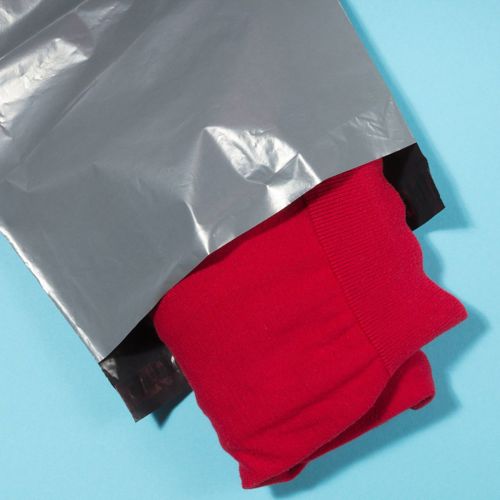
Poly mailing bags, which offer fully waterproof packaging for shipping non-fragile items
Selecting moisture resistant packaging should always be based on the product’s sensitivity to water and expected exposure during transit.
Seal Packaging Correctly to Stop Moisture Ingress
Water often enters parcels through poorly sealed seams and edges.
Best practice sealing includes:
Using strong, waterproof tape
Reinforcing corners where water can collect
Correct sealing is a simple but essential part of waterproof packaging for shipping.
Store Parcels Properly Before Dispatch
Moisture exposure frequently occurs before parcels even leave the warehouse.
To reduce risk:
Store parcels off the floor, especially on concrete surfaces
Avoid placing packaging near doors or uncovered loading areas
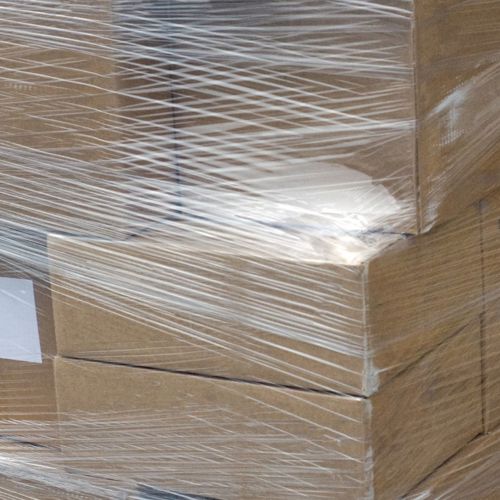
Use pallet wrap for stored or bulk shipments
Good storage practices support moisture resistant packaging and help prevent water damage during winter shipping.
Use Internal Packaging to Prevent Water Damage
Outer packaging alone may not be sufficient in wet winter conditions.
To improve protection, consider adding internal layers such as polythene inner bags to create a waterproof barrier
Layered packaging is one of the most reliable ways to protect parcels during winter and reduce the risk of water damage.
Use Silica for Humidity Control
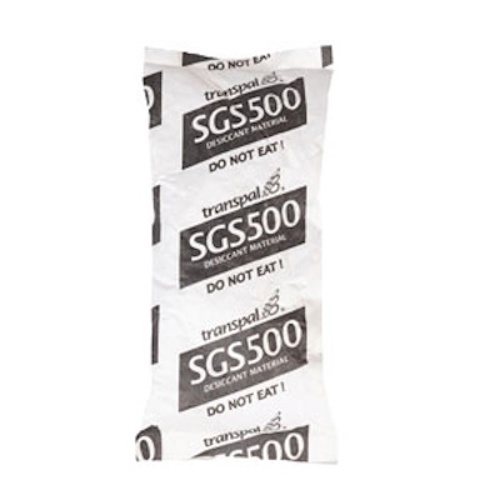
For products sensitive to moisture, silica sachets can help absorb excess humidity inside packaging.Ideal for electronic equipment, leather goods, and pharmaceuticals.
Apply Clear Handling Instructions
While labels cannot stop rain, they help reduce unnecessary exposure.
Use “Keep Dry” labels where appropriate
Ensure delivery labels remain legible and securely attached
Work with couriers experienced in winter conditions
Clear handling instructions support better outcomes when protecting parcels during winter.
Plan Ahead With the Right Winter Shipping Packaging
Winter shipping requires a more considered packaging strategy. Reviewing materials, sealing methods and storage processes ahead of colder months reduces damaged goods, returns and customer complaints.
By using moisture resistant packaging, applying waterproof packaging for shipping, and following best practice storage and sealing methods, businesses can reliably protect parcels during winter and minimise the risk of water damage.