Sustainable packaging materials are now a key consideration for UK retailers aiming to reduce environmental impact, comply with evolving regulations, and meet customer expectations.
This guide explores five of the most effective eco friendly packaging materials currently used in sustainable retail packaging in the UK.
1. Recycled Cardboard and Paper Packaging
Recycled cardboard and paper packaging are among the most widely used recyclable packaging materials UK retailers rely on. Made using post-consumer waste, these materials significantly reduce the need for virgin fibres and lower overall carbon emissions during production.
Paper-based packaging benefits from strong recycling infrastructure, making it easy for consumers and businesses to dispose of responsibly. Recycled paper can be reused multiple times before fibres degrade, supporting a circular packaging model.
For retailers, recycled cardboard and paper offer a practical balance of sustainability, cost efficiency, and branding flexibility.
Why UK retailers choose this material
Widely accepted in UK kerbside recycling
Cost-effective at scale
Easy to print, customise, and brand
Strong consumer trust in paper packaging
2. Corrugated Board with High Recycled Content
Corrugated board is a core component of sustainable packaging for retailers, particularly in ecommerce and distribution-heavy supply chains. Modern corrugated packaging often contains a high percentage of recycled fibre while still delivering excellent strength and durability.
Advances in corrugated design allow UK retailers to reduce overall material usage without compromising protection, helping to lower transport emissions and product damage rates. Corrugated board also reduces the need for plastic void fill, supporting wider sustainability goals.
As a result, corrugated board remains one of the most effective forms of sustainable retail packaging for shipping and storage.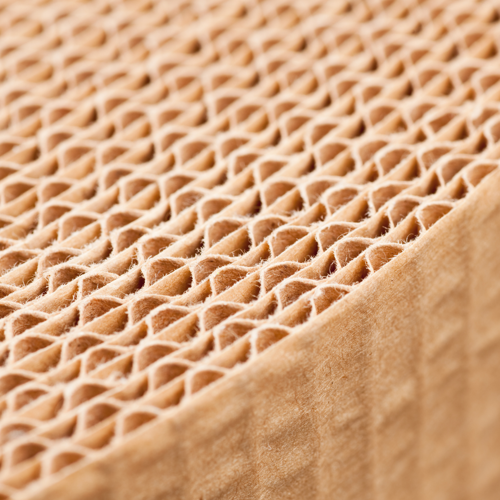
Why UK retailers choose this material
Fully recyclable through UK waste streams
High strength-to-weight ratio
Suitable for automated packing systems
Reduces reliance on plastic packaging
3. Biodegradable and Compostable Plastic Packaging
Biodegradable and compostable plastics are increasingly used as environmentally friendly packaging UK retailers adopt where traditional plastic functionality is still required. These materials are designed to break down under specific conditions, offering an alternative to conventional plastics.
However, compostable packaging must be used carefully. Many compostable plastics require industrial composting facilities, which are not universally available across the UK. Clear labelling and consumer education are essential to avoid contamination of recycling streams.
When used appropriately, biodegradable and compostable plastics can form part of a broader eco friendly packaging materials strategy.
Why UK retailers choose this material
Maintains flexibility and barrier properties
Reduces long-term plastic persistence
Suitable for lightweight retail applications
Strong appeal to sustainability-conscious consumers
4. Moulded Pulp Packaging as a Plastic-Free Alternative
Moulded pulp packaging is produced from recycled paper fibres and is widely used as a plastic free packaging alternative to polystyrene and rigid plastic inserts. Common applications include trays, protective inserts, and premium product packaging.
Moulded pulp is both recyclable and biodegradable, making it a strong option for UK retailers seeking to remove unnecessary plastics while maintaining product protection. It also delivers a natural, eco-focused appearance that aligns well with sustainable brand positioning.
This material is particularly effective in sectors where presentation and sustainability messaging are equally important.
Why UK retailers choose this material
Plastic-free and recyclable
Strong protective properties
Suitable for premium retail packaging
Positive environmental perception
5. Plant-Based Packaging Materials (e.g. Sugarcane Bagasse)
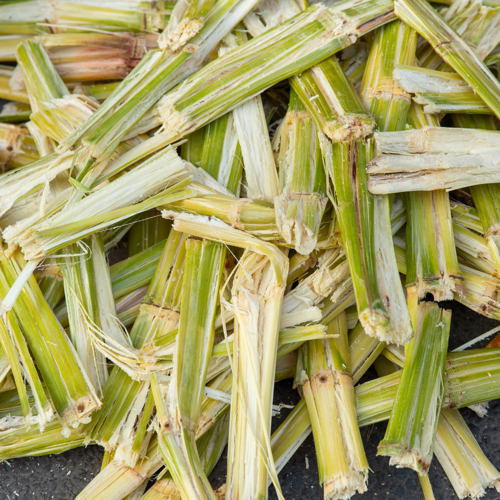
Plant-based packaging materials, such as sugarcane bagasse, are made from agricultural by-products rather than virgin raw materials. Bagasse packaging uses waste from sugar production, making it a renewable and resource-efficient option.
These renewable packaging materials are commonly used for food packaging, trays, and disposable retail items. When processed correctly, bagasse packaging is compostable and offers a credible alternative to plastic and foam-based products.
For UK retailers, plant-based materials support sustainability objectives while maintaining practical performance.
Why UK retailers choose this material
Made from renewable, waste-derived resources
Compostable under the right conditions
Strong sustainability credentials
Suitable for food and disposable retail packaging
How UK Retailers Should Choose Sustainable Packaging Materials
Selecting the right sustainable packaging materials UK retailers can depend on requires more than environmental claims. Retailers should consider:
Whether the material is recyclable within UK waste systems
Product protection and transport requirements
Customer understanding and disposal behaviour
Compliance with UK packaging regulations
Working with experienced sustainable packaging suppliers retailers trust ensures packaging materials perform effectively across the entire supply chain.
At TEC Packaging, sustainable packaging solutions are selected based on real-world performance, compliance, and environmental impact, helping retailers adopt eco friendly packaging materials that genuinely work.