Sustainability is becoming a key factor in packaging decisions for many UK businesses. Whether you operate in e-commerce, retail, manufacturing, or logistics, the materials you choose can influence both your environmental impact and customer perception.
However, terms like recyclable, biodegradable, and compostable are often used interchangeably, even though they describe very different processes.
Understanding the difference between recyclable and biodegradable packaging can help businesses make informed choices that balance sustainability, product protection, and operational efficiency.
What Is Recyclable Packaging?
Recyclable packaging is made from materials that can be collected, processed, and re-manufactured into new products rather than sent to landfill.
Common recyclable packaging materials include:
Paper packaging
Aluminium and steel
When recycled correctly, these materials are broken down and reused as raw materials in new products, supporting a circular economy where materials remain in use for longer.
For recycling to work effectively, packaging must usually be:
Clean and uncontaminated
Accepted by local recycling facilities
Properly separated into recycling streams
Example: Recyclable Packaging in Practice
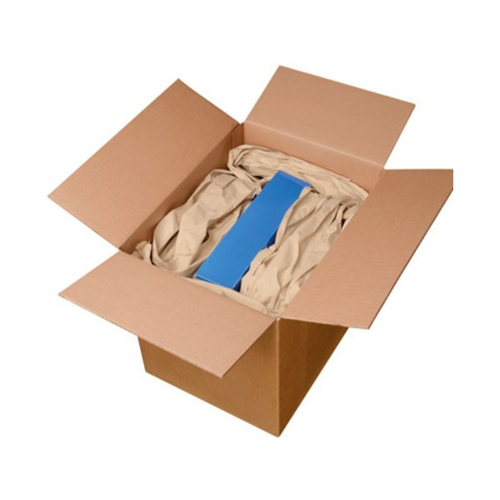
Many packaging solutions supplied by TEC Packaging are designed with recyclability in mind. For example, paper void fill made from 100% recycled paper provides protective cushioning during transit while remaining fully recyclable.
Corrugated cardboard packaging is another widely used recyclable material. These boxes are often produced from recycled fibres and can be recycled again after use, making them a practical and environmentally responsible option for shipping and storage.
What Is Biodegradable Packaging?
Biodegradable packaging is designed to break down naturally over time through the action of microorganisms such as bacteria and fungi.
During decomposition, the material breaks down into natural elements such as:
Water
Carbon dioxide
Biomass
Biodegradable materials are often derived from plant-based or natural resources, including:
Natural fibres
Paper-based materials
Certain biodegradable plastics
However, it is important to note that biodegradable does not necessarily mean quick decomposition. The breakdown process depends heavily on environmental factors such as temperature, moisture, and microbial activity.
In landfill conditions, where oxygen is limited, biodegradable materials may take significantly longer to break down than expected.
Recyclable vs Biodegradable Packaging: Key Differences
Although both options aim to reduce environmental impact, recyclable and biodegradable packaging follow very different end-of-life pathways.
Recyclable packaging focuses on reuse
Recyclable materials are designed to be processed and turned into new products. This reduces demand for virgin raw materials and keeps resources in circulation.
Biodegradable packaging focuses on natural decomposition
Biodegradable materials are designed to break down naturally in the environment through biological processes.
Infrastructure plays an important role
Recycling depends on the availability of collection and processing systems. If recyclable materials are disposed of incorrectly, they may still end up in landfill.
Biodegradable materials rely on suitable environmental conditions to break down effectively.
Environmental outcomes can vary
Both packaging types can contribute to sustainability goals, but the environmental benefit depends on how the packaging is produced, used, and disposed of.
Where Does Compostable Packaging Fit In?
Compostable packaging is often grouped with biodegradable materials but has stricter requirements.
Compostable packaging must:
Break down into natural elements such as water, carbon dioxide, and biomass
Leave no toxic residue
Decompose within a defined timeframe under composting conditions
In the UK, certified compostable packaging must meet the BS EN 13432 standard, which ensures materials break down in industrial composting facilities within approximately 12 weeks.
However, many compostable materials require industrial composting facilities, which are not always available through standard waste systems. This means proper disposal and clear labelling are essential.
Examples of Sustainable Packaging Materials
Businesses increasingly combine recyclable, biodegradable, and compostable materials as part of broader sustainability strategies.
Examples include:
Paper-based packaging
Paper packaging is widely used because it is bio-based, recyclable, and often produced from responsibly managed sources.
Examples include:
Paper wraps and protective packaging
Recycled paper cushioning
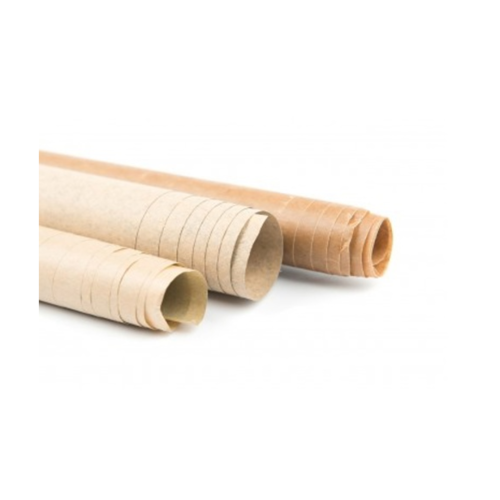
TEC Packaging supplies paper bubble wrap made entirely from waste paper, providing cushioning protection while remaining fully recyclable and chemical-free.
Biodegradable or compostable materials
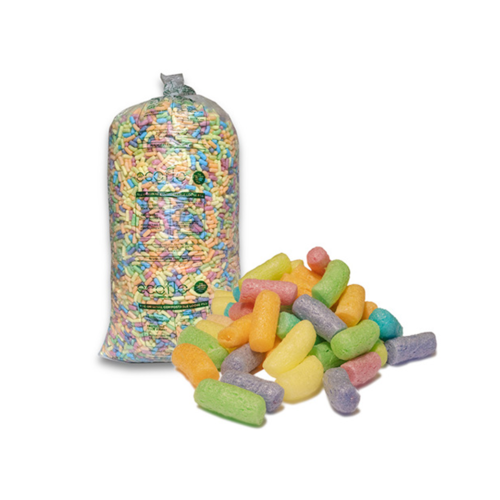
Some packaging products are designed to break down naturally or in composting systems, including starch-based packing materials and compostable paper solutions.
Choosing the Right Packaging for Your Business
Selecting sustainable packaging requires balancing several factors.
Businesses should consider:
Product protection requirements
Supply chain conditions and transport risks
Customer disposal behaviour
Access to recycling or composting facilitiesEnvironmental goals and brand values
For many companies, recyclable paper-based packaging remains one of the most practical and widely accepted options within UK recycling systems.
However, biodegradable and compostable materials may also play a role in certain applications, particularly where recycling is difficult or contamination is likely.
Supporting Sustainable Packaging for South West Businesses
Sustainable packaging decisions are rarely about a single material choice. Instead, they often involve reviewing the entire packaging process, from material selection to packing efficiency and waste reduction.
TEC Packaging works with businesses across Plymouth, Devon, Cornwall, and the wider South West to help identify practical packaging solutions that balance protection, efficiency, and environmental responsibility.
With a wide range of recyclable and sustainable packaging options available, businesses can make small changes that contribute to broader sustainability goals while maintaining reliable product protection.
Recyclable packaging is processed and reused to create new materials.
Biodegradable packaging breaks down naturally over time.
Compostable packaging decomposes under controlled composting conditions.
For businesses aiming to reduce environmental impact, understanding these differences is an important step towards making more informed and responsible packaging choices.